

Introduction
For many women, the menstrual cycle is a predictable and natural occurrence. However, there are instances when the menstrual cycle deviates from the norm, resulting in abnormal uterine bleeding. Abnormal uterine bleeding refers to any bleeding that occurs outside the regular menstrual cycle or is significantly different in duration or volume. This condition can be distressing and may indicate an underlying health issue. In this blog post, we will delve into the causes, symptoms, and treatment options for abnormal uterine bleeding.
Causes of Abnormal Uterine Bleeding
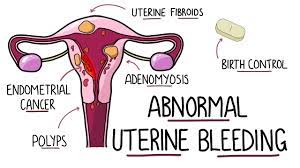
- Hormonal Imbalances: Fluctuations in hormone levels, particularly estrogen and progesterone, can disrupt the normal menstrual cycle and lead to abnormal bleeding. Conditions such as polycystic ovary syndrome (PCOS) and thyroid disorders can contribute to hormonal imbalances.
- Uterine Fibroids: These non-cancerous growths in the uterus can cause heavy or prolonged bleeding. Fibroids can vary in size and location, leading to different symptoms and treatment options.
- Endometrial Polyps: These small, benign growths in the lining of the uterus can result in irregular bleeding. They are usually non-cancerous but may require removal if they cause significant symptoms.
- Endometrial Hyperplasia: An overgrowth of the uterine lining due to hormonal imbalances can cause abnormal bleeding. In some cases, it can progress to a precancerous condition, making early diagnosis and treatment crucial.
- Adenomyosis: This condition occurs when the endometrial tissue grows into the muscular wall of the uterus, leading to heavy and painful periods.
- Pelvic Inflammatory Disease (PID): Infections in the reproductive organs, such as the uterus, fallopian tubes, or ovaries, can cause inflammation and abnormal bleeding.
- Certain Medications: Some medications, such as blood thinners and hormonal contraceptives, can cause irregular bleeding as a side effect.
Symptoms of Abnormal Uterine Bleeding
The key feature of abnormal uterine bleeding is the deviation from a woman’s normal menstrual cycle. Some common symptoms associated with abnormal uterine bleeding include:
- Heavy menstrual bleeding that requires frequent pad or tampon changes.
- Prolonged bleeding that lasts more than seven days.
- Intermenstrual bleeding or spotting between periods.
- Irregular menstrual cycles with unpredictable bleeding patterns.
- Bleeding after intercourse.
- Pelvic pain or discomfort during periods.
Diagnosis and Treatment
If you experience abnormal uterine bleeding, it is essential to consult with a healthcare provider for a proper diagnosis. The diagnostic process typically involves a comprehensive medical history, physical examination, and specific tests, which may include:
- Blood tests to assess hormone levels and rule out any underlying conditions.
- Ultrasound imaging to evaluate the uterus and detect any structural abnormalities.
- Endometrial biopsy to examine the uterine lining for abnormalities.
The treatment for abnormal uterine bleeding depends on the underlying cause and individual factors. Some common treatment options include:
- Hormonal Therapy: Regulating hormone levels through the use of birth control pills, hormonal intrauterine devices (IUDs), or hormone replacement therapy (HRT) can help manage abnormal bleeding caused by hormonal imbalances.
- Nonsteroidal Anti-Inflammatory Drugs (NSAIDs): These medications can help reduce menstrual pain and control excessive bleeding.
Leave feedback about this