

Introduction
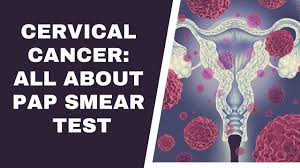
Cervical cancer is a significant health concern for women worldwide, but thanks to advancements in medical screening, early detection, and prevention, the mortality rate associated with this disease has significantly decreased. One of the most effective tools in the fight against cervical cancer is the Pap smear, a simple and valuable screening test. In this blog post, we will explore the importance of Pap smears, the recommended screening guidelines, and the role they play in preventing cervical cancer.
Understanding Cervical Cancer and HPV
Cervical cancer is primarily caused by persistent infection with high-risk types of the human papillomavirus (HPV). HPV is a common sexually transmitted infection, with most sexually active individuals being infected at some point in their lives. However, most HPV infections resolve on their own without causing any harm. It is the persistence of high-risk HPV infections that can lead to the development of cervical cancer over time.
Importance of Pap Smear Screening
Pap smears, also known as Pap tests or cervical cytology, are highly effective in detecting precancerous and cancerous cells in the cervix. Regular screening with Pap smears allows for the early identification of abnormalities before they progress to cancer. This early detection enables timely intervention and treatment, significantly reducing the risk of developing advanced-stage cervical cancer.
Recommended Screening Guidelines
Screening guidelines for cervical cancer may vary slightly depending on the country and medical organization, but there are some general recommendations to follow:
- Age and Frequency: Most guidelines suggest that women should begin regular Pap smears at age 21, regardless of sexual activity. Between the ages of 21 and 29, Pap smears are generally recommended every three years.
- HPV Testing: Starting at age 30, the Pap smear is often combined with an HPV test. This co-testing allows for the detection of both abnormal cervical cells and the presence of high-risk HPV. If both results are negative, screening can be extended to every five years.
- HPV Vaccination: Vaccination against HPV is recommended for both males and females, ideally before becoming sexually active. HPV vaccination can protect against the most common high-risk types of HPV and significantly reduce the risk of developing cervical cancer.
- Age Limits and Discontinuation: In most cases, routine screening is recommended until age 65 or 70, as long as previous test results have been consistently negative. However, individual circumstances and medical history may influence the need for continued screening.
Preparing for a Pap Smear
To ensure the accuracy of the Pap smear results, it is important to follow a few guidelines:
- Timing: It is recommended to schedule a Pap smear when you are not menstruating. Menstrual blood can interfere with the test results, so it is best to avoid scheduling a Pap smear during your period.
- Sexual Activity: Avoid sexual intercourse, using tampons, vaginal medications, or douching for at least two days before the Pap smear. These activities can introduce substances that may interfere with the test results.
- Relaxation Techniques: It’s normal to feel anxious before a Pap smear. Practice deep breathing or other relaxation techniques to help ease any discomfort or tension during the procedure.
Conclusion
Regular Pap smear screening plays a crucial role in the early detection and prevention of cervical cancer. By identifying precancerous changes or cancerous cells in the cervix, Pap smears allow for timely intervention and treatment, significantly reducing the morbidity and mortality associated with this disease. Following the recommended screening guidelines and taking steps to prevent HPV infection, such as vaccination, are essential in the fight against cervical cancer. Remember, scheduling routine Pap smears is a proactive step towards safeguarding your health and well-being.
Leave feedback about this