

Introduction
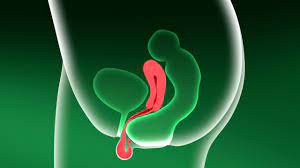
Genital prolapse is a common condition that occurs when the pelvic organs, including the uterus, bladder, or rectum, descend from their normal positions and bulge into or outside of the vagina. This condition can cause discomfort, affect daily activities, and impact a woman’s quality of life. In this blog post, we will explore the causes, symptoms, and available treatment options for genital prolapse, empowering women to seek help and find relief from this often manageable condition.
Causes of Genital Prolapse
Genital prolapse can occur due to various factors that weaken the supporting structures of the pelvic floor. Some common causes include:
- Pregnancy and Childbirth: The process of pregnancy and childbirth can place significant strain on the pelvic floor muscles and tissues, leading to weakened support for the pelvic organs.
- Aging: As women age, the tissues and ligaments that support the pelvic organs may naturally weaken, increasing the risk of genital prolapse.
- Hormonal Changes: Decreased levels of estrogen during menopause can lead to thinning and weakening of the vaginal tissues, making them more susceptible to prolapse.
- Chronic Constipation: Frequent straining during bowel movements can contribute to the development of genital prolapse by putting pressure on the pelvic floor.
- Chronic Coughing: Conditions such as chronic bronchitis or asthma that cause persistent coughing can increase abdominal pressure and contribute to the development of prolapse.
Types and Symptoms of Genital Prolapse
- Uterine Prolapse: This occurs when the uterus descends into the vagina. Symptoms may include a feeling of heaviness or pulling in the pelvis, vaginal discomfort, the sensation of something protruding from the vagina, and difficulty with bowel movements or urination.
- Cystocele: A cystocele happens when the bladder protrudes into the vagina. Symptoms may include urinary incontinence, frequent urination, incomplete emptying of the bladder, and a bulge or pressure in the vagina.
- Rectocele: In a rectocele, the rectum bulges into the back wall of the vagina. Symptoms may include difficulty with bowel movements, a feeling of incomplete evacuation, the need to use manual pressure to pass stools, and a bulge in the vagina.
Treatment Options
The treatment for genital prolapse depends on the severity of symptoms, the type of prolapse, and the impact on a woman’s daily life. Some common treatment options include:
- Conservative Management: This approach may include lifestyle changes such as weight management, avoiding heavy lifting or straining, and incorporating pelvic floor exercises (Kegel exercises) to strengthen the pelvic floor muscles.
- Pessary: A pessary is a removable device that is inserted into the vagina to support the prolapsed organs and alleviate symptoms. It can be an effective non-surgical option for managing prolapse.
- Pelvic Floor Physical Therapy: Working with a pelvic floor physical therapist can help strengthen the pelvic floor muscles and improve pelvic organ support. Therapists may use techniques such as biofeedback, electrical stimulation, and specific exercises to target the pelvic floor muscles.
- Surgery: In cases where conservative measures are ineffective or symptoms are severe, surgical intervention may be recommended. Surgical options for genital prolapse include various procedures aimed at restoring the normal position and support of the pelvic organs.
Seeking Professional Help
If you are experiencing symptoms of genital prolapse, it is important to consult with a healthcare provider who specializes in women’s health. They can provide a thorough evaluation, discuss treatment options tailored to your specific situation, and support you throughout the management of genital prolapse.
Leave feedback about this